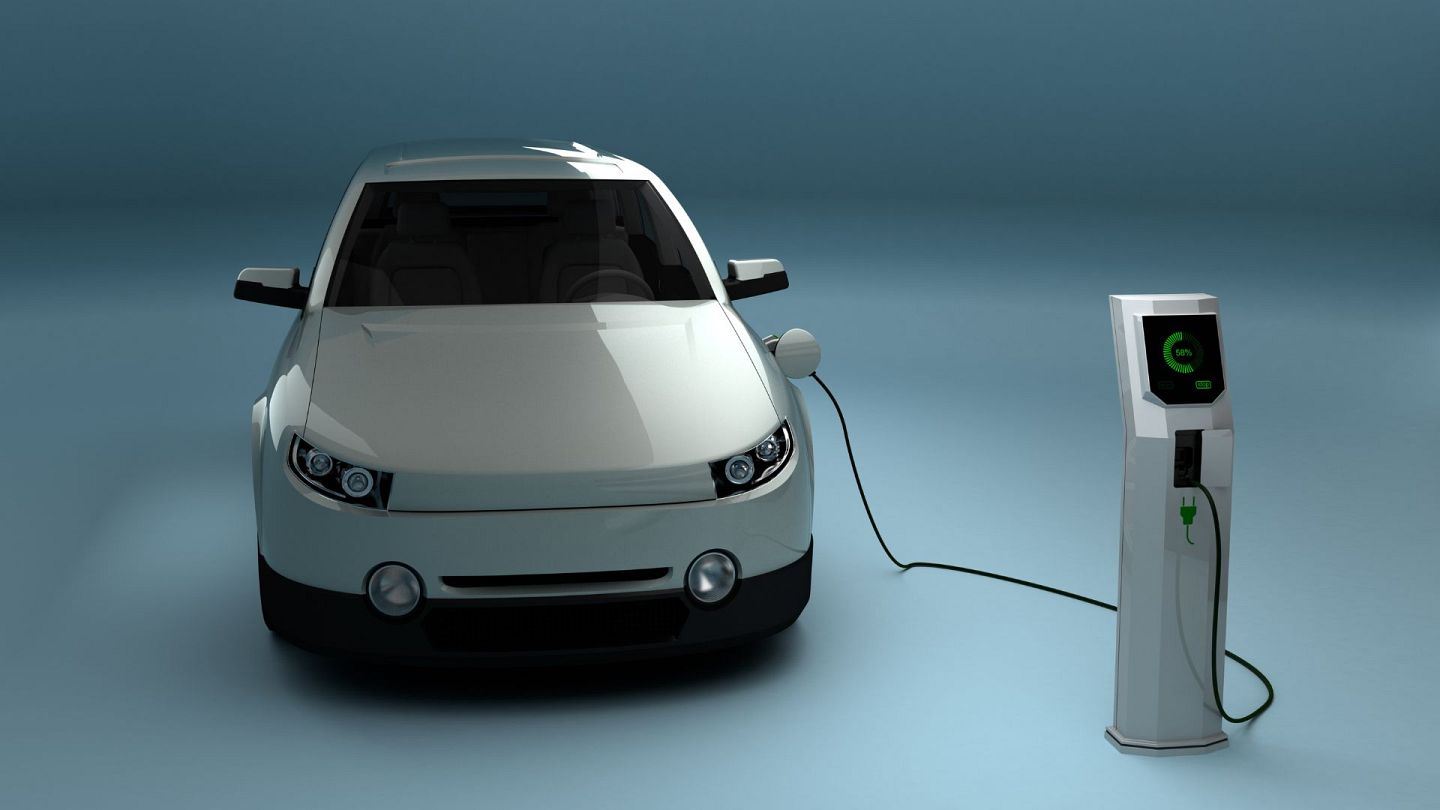
The Future of Driving: Why Electric Vehicles Are Leading the Silent Revolution
The automotive landscape is undergoing a radical transformation, with electric vehicles (EVs) at the forefront of this movement. As concerns over climate change and environmental sustainability grow, consumers are increasingly turning to EVs as a viable alternative to traditional gas-powered vehicles. According to the International Energy Agency, global sales of electric cars surpassed 10 million in 2022, signaling a surge in consumer acceptance and investment in this technology. The shift to electric is not just about reducing emissions; it's also about embracing innovative technologies that enhance driving experience, such as advanced driver-assistance systems and smart connectivity.
Furthermore, governments worldwide are implementing incentives and regulations to accelerate the adoption of electric vehicles. For instance, the UK Government has set ambitious targets to phase out the sale of new petrol and diesel cars by 2030, promoting a cleaner, greener future. As battery technology progresses, the range and affordability of EVs are improving, making them more accessible to the average consumer. The silent revolution of electric vehicles represents a paradigm shift in how we think about transportation, promising a more sustainable future that not only benefits the environment but also offers a more efficient and enjoyable driving experience.
Debunking Myths: Are Electric Cars Really Better for the Environment?
The debate surrounding electric cars and their environmental impact is often clouded by myths and misconceptions. One prevalent myth is that electric vehicles (EVs) are always better for the environment than traditional gasoline cars. While it's true that EVs produce no tailpipe emissions, the overall environmental benefits depend significantly on the source of electricity used to charge them. For instance, if an EV is charged from renewable sources like wind or solar power, the reduction in greenhouse gas emissions is substantial. However, if the electricity comes from fossil fuels, the environmental advantages may be diminished. For a deeper understanding, you can refer to the Union of Concerned Scientists report on the lifecycle emissions of EVs.
Another common myth is that the production of electric cars is inherently worse for the environment due to the mining and processing of materials used in batteries, such as lithium, cobalt, and nickel. However, studies show that while there is an environmental impact during the production phase, the lower emissions during their operational life often offset this initial footprint. According to a study by Nature Energy, even when considering the entire lifecycle, electric vehicles typically produce less harmful emissions compared to internal combustion engine vehicles. This insight underscores the importance of shifting towards clean energy and improved recycling methods to further enhance the sustainability of electric cars.
5 Reasons Why Your Next Car Should Be Electric: Embrace the Silent Revolution
As we move further into the 21st century, the shift towards sustainable living becomes more pressing. Electric vehicles (EVs) offer an impressive array of benefits that can significantly enhance your driving experience. Here are 5 reasons why your next car should be electric:
- Environmental Impact: One of the most compelling reasons to choose an electric car is the reduction in carbon emissions. According to EPA, EVs produce zero tailpipe emissions, helping to combat air pollution and climate change.
- Cost Savings: Running an electric vehicle can be more economical in the long run. The U.S. Department of Energy shows that electricity is often cheaper than gasoline, and EVs typically have lower maintenance costs due to fewer moving parts.
3. Superior Performance: Electric cars are known for their instant torque and smooth acceleration, making them a joy to drive. You’ll experience quicker starts and a quieter ride, contributing to a more enjoyable driving experience.
- Incentives and Rebates: Many governments offer financial incentives for purchasing electric vehicles, ranging from tax credits to rebates. Exploring these options can significantly reduce the initial cost of going electric, as noted by the Department of Energy.
- Energy Independence: By choosing electric, you're also contributing to a more sustainable energy future. Many EVs can be charged at home from renewable energy sources, reducing reliance on fossil fuels.