Understanding the Basics: How Car Insurance Works
Understanding the Basics of Car Insurance is essential for any vehicle owner. Car insurance is a contract between you and your insurance provider that protects you financially in the event of an accident or damage to your vehicle. It typically covers a range of incidents, including theft, vandalism, and bodily injury liability, ensuring that you're not left to bear the financial brunt of an unexpected situation. Each policy is unique, and the coverage types can vary, including but not limited to:
- Liability Coverage: Covers damage to another person’s vehicle or property and their medical expenses if you are at fault.
- Collision Coverage: Pays for damage to your own vehicle after an accident, regardless of fault.
- Comprehensive Coverage: Provides protection against non-collision events, such as natural disasters or theft.
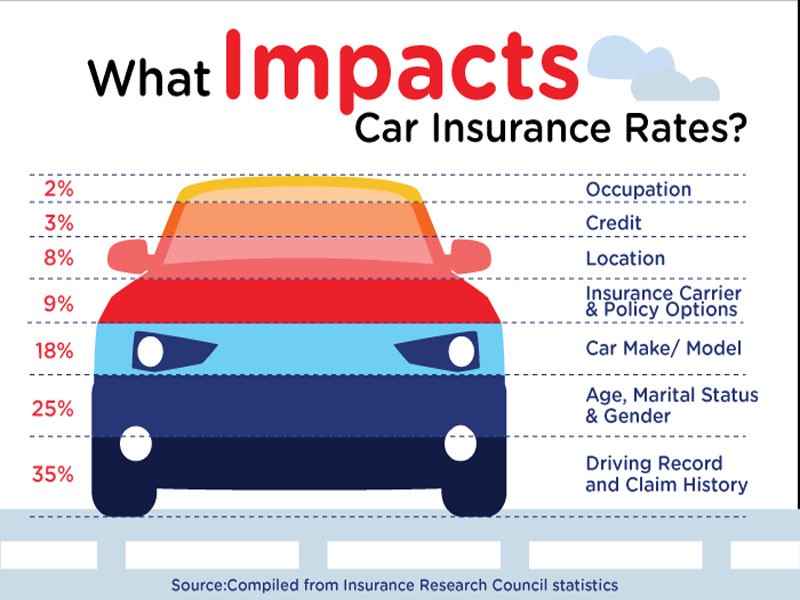
To further understand how car insurance works, it’s important to be aware of the factors that influence your premium rates. These can include your driving history, age, type of vehicle, and where you live. Insurers often evaluate your risk level to determine your policy premium. Additionally, qualifying for discounts can also lower your premiums; some common discounts include:
- Multi-policy Discounts: Bundling multiple types of insurance, like home and auto.
- Good Driver Discounts: For maintaining a clean driving record.
- Low Mileage Discounts: For drivers who use their vehicle infrequently.
By grasping these components, you can make informed decisions about your car insurance coverage and ensure that you have the right policy for your needs.
Top 5 Factors That Affect Your Car Insurance Premium
Understanding the factors that affect your car insurance premium is crucial for managing your policy effectively. Here are the top 5 factors that you should consider:
- Driving History: Your driving record plays a significant role. A history of accidents or traffic violations can lead to higher premiums.
- Vehicle Type: The make and model of your car can impact your insurance costs. Expensive or high-performance vehicles often come with higher premiums.
Continuing with our list, we have:
- Location: Where you live greatly influences your premium. Areas with higher rates of accidents or theft will likely lead to increased costs.
- Age and Gender: Statistically, younger drivers or male drivers are considered higher risk, which can elevate insurance rates.
- Coverage Level: The amount of coverage you choose also affects your premium. Comprehensive plans generally cost more than basic coverage.
Is Your Car Insurance Coverage Enough? Take Our Quiz!
When it comes to car insurance coverage, many drivers are often unsure if they have enough protection in place. Assessing your needs can be complicated, as factors like your driving habits, the age and value of your vehicle, and local laws all play a significant role. To simplify your decision-making process, we invite you to take our quiz. This quick assessment will help you determine whether your current policy is sufficient to safeguard you against unforeseen circumstances.
Understanding the components of your car insurance is crucial. Here are some key coverages to consider:
- Liability Coverage - Protects you against claims for injuries and damages to others.
- Collision Coverage - Covers damages to your car resulting from a collision.
- Comprehensive Coverage - Protects against non-collision-related incidents like theft or natural disasters.
After reviewing these aspects, you can confidently evaluate if your current car insurance coverage meets your needs. Don’t leave your financial security to chance—discover your coverage adequacy today!